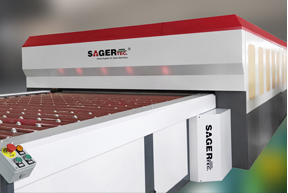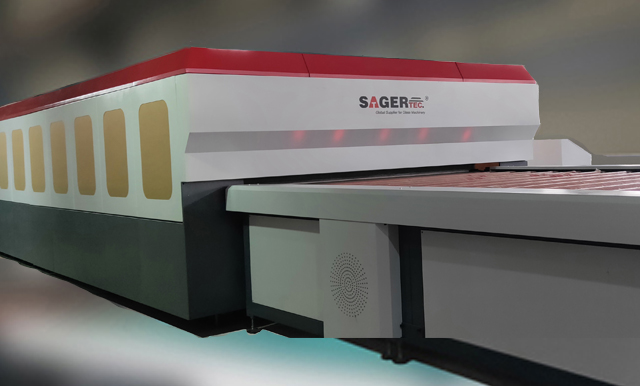
Nel settore del vetro laminato, la tecnologia di produzione si è evoluta dalla tradizionale lavorazione batch a soluzioni di produzione più flessibili, a risparmio energetico e continue. Tra queste tecnologie, lForno di laminazione continua del vetro non autoclaveè diventata un'opzione sempre più interessante per i trasformatori del vetro che desiderano ridurre gli investimenti in attrezzature, semplificare il funzionamento e migliorare la flessibilità della produzione.
Tradizionalmente, il vetro stratificato è prodotto da unlinea di produzione di vetro laminato in autoclave, dove vetro e materiali interstrato come PVB o SGP vengono incollati ad alta temperatura e alta pressione. Questo processo è maturo e ampiamente utilizzato nel vetro architettonico, nel vetro automobilistico, nel vetro di sicurezza, nel vetro antiproiettile e nelle vetrate strutturali.
Tuttavia, con lo sviluppo della tecnologia del vuoto, dei sistemi di controllo del riscaldamento e delle apparecchiature di laminazione continua, ilmacchina per la laminazione del vetro senza autoclavefornisce un metodo di produzione alternativo. Elimina la necessità di un'autoclave ad alta pressione e utilizza il vuoto, il riscaldamento controllato e il trasporto continuo per completare il processo di laminazione.
Questo articolo analizza le principali differenze tra aForno di laminazione continua del vetro non autoclavee unlinea di produzione tradizionale del vetro laminato in autoclavedal punto di vista tecnico e commerciale.
UNForno di laminazione continua del vetro non autoclaveè un tipo di attrezzatura per la laminazione del vetro progettata per produrre vetro stratificato senza l'utilizzo della tradizionale autoclave ad alta pressione.
Invece di fare affidamento sull'alta pressione all'interno di un grande recipiente a pressione, il processo di laminazione non in autoclave utilizza solitamente:
Il flusso produttivo di base può essere descritto come:
Lavaggio del vetro → Assemblaggio del vetro → Posizionamento dello strato intermedio → Rimozione dell'aria sotto vuoto → Riscaldamento continuo → Raffreddamento → Vetro stratificato finito
Questo tipo dimacchina per la laminazione del vetro senza autoclavepuò essere utilizzato per diversi prodotti di vetro laminato, tra cui vetro laminato architettonico, vetro laminato decorativo, vetro per mobili, vetro di sicurezza, vetro laminato EVA, vetro laminato PVB e, in alcune configurazioni di apparecchiature, vetro laminato SGP.
La caratteristica più importante di questa tecnologia è che semplifica il processo di produzione del vetro laminato eliminando la fase dell’autoclave.
Un tradizionalelinea di produzione di vetro laminato in autoclaveè un sistema completo di produzione del vetro laminato che utilizza un'autoclave ad alta pressione per completare il processo di incollaggio finale.
Una tipica linea di vetro laminato in autoclave comprende:
Il processo di base è:
Lavaggio del vetro → Assemblaggio interstrato → Pre-pressatura e disaerazione → Riscaldamento e pressurizzazione dell'autoclave → Raffreddamento → Ispezione finale
Nell'autoclave, il vetro stratificato è esposto ad alta temperatura e alta pressione. Lo scopo è rimuovere l'aria residua, migliorare l'adesione tra vetro e strato intermedio e garantire chiarezza ottica e durata a lungo termine.
Questo processo è utilizzato da decenni e rimane la scelta standard per molte applicazioni di vetro laminato.
La differenza più importante tra aForno di laminazione continua del vetro non autoclavee unlinea di produzione tradizionale del vetro laminato in autoclaveè il modo in cui si ottengono pressione e legame.
In un processo tradizionale in autoclave, il vetro stratificato viene posto all'interno di un recipiente a pressione. L'alta temperatura e l'alta pressione vengono applicate all'intero carico di vetro. La pressione aiuta ad eliminare le bolle d'aria residue e migliora l'adesione tra vetro e intercalare.
In un processo di laminazione non in autoclave, il sistema non utilizza un recipiente ad alta pressione. Invece, l'aria viene rimossa principalmente dal vuoto e l'incollaggio viene completato attraverso il riscaldamento e il tempo di processo controllati. Il vetro passa continuamente attraverso il forno, rendendo il processo produttivo più flessibile.
In termini semplici:
Processo in autoclave:alta temperatura + alta pressione + produzione in lotti
Processo senza autoclave:vuoto + riscaldamento controllato + produzione continua
Questa differenza influisce direttamente sui costi di investimento, sull'efficienza produttiva, sul consumo energetico, sui requisiti di manutenzione e sulla gamma di applicazioni del prodotto.
Un tradizionalelinea di produzione di vetro laminato in autoclavedi solito richiede investimenti più elevati perché l'autoclave stessa è un recipiente a pressione grande e costoso. Inoltre, la linea di produzione necessita anche di compressori d'aria, sistemi di controllo della pressione, sistemi di sicurezza, sistemi di raffreddamento e manutenzione regolare dei recipienti a pressione.
Anche i requisiti di installazione sono più complicati. Lo stabilimento necessita di spazio sufficiente per l'autoclave, l'area di carico e scarico, il sistema di alimentazione dell'aria e lo spazio di sicurezza.
In confronto, aForno di laminazione continua del vetro non autoclaveha una struttura dell'attrezzatura più semplice. Poiché non richiede una grande autoclave ad alta pressione, l’investimento totale è solitamente inferiore. La linea di produzione è anche più facile da installare, utilizzare e manutenere.
Per le fabbriche di lavorazione del vetro di piccole e medie dimensioni, questo è uno dei motivi principali per scegliere alinea di produzione di vetro laminato non autoclavato.
La produzione tradizionale dell'autoclave è un processo batch. Anche se la parte anteriore della linea lavora ininterrottamente, la fase dell'autoclave è ancora limitata da carico, riscaldamento, pressurizzazione, mantenimento, raffreddamento, depressurizzazione e scarico.
Ciò significa che l’efficienza produttiva dipende fortemente da:
UNForno di laminazione continua del vetro non autoclaveè progettato per la produzione continua. Le lastre di vetro si muovono attraverso il forno un gruppo dopo l'altro, riducendo i tempi di attesa per il caricamento di lotti di grandi dimensioni
Ciò rende il sistema non autoclave particolarmente adatto per:
Per le fabbriche che gestiscono ogni giorno molte specifiche diverse, aforno di laminazione continua del vetropuò migliorare la flessibilità e ridurre i colli di bottiglia nella produzione.
Il consumo di energia è un’altra grande differenza tra questi due sistemi.
Un'autoclave tradizionale richiede energia per riscaldare un grande recipiente a pressione, generare aria compressa, mantenere la pressione, mantenere la temperatura e raffreddare controllato. Il tempo di ciclo è solitamente lungo e il consumo di energia può essere significativo, soprattutto quando il volume di produzione non è stabile.
UNForno di laminazione continua del vetro non autoclavenon ha bisogno di riscaldare e pressurizzare una grande camera dell'autoclave. Il suo consumo energetico proviene principalmente da zone di riscaldamento, pompe per vuoto, motori di trasporto e sistemi di controllo.
In molte applicazioni generali del vetro laminato, il processo non in autoclave può ridurre il costo energetico per metro quadrato, soprattutto quando la linea di produzione viene utilizzata in modo efficiente.
Tuttavia, il risparmio energetico effettivo dipende da diversi fattori:
Un tradizionalelinea di produzione di vetro laminato in autoclaveha una finestra di processo più ampia. L'ambiente ad alta pressione aiuta a rimuovere o dissolvere l'aria residua e migliora la qualità dell'incollaggio finale. Questo è il motivo per cui la tecnologia dell'autoclave è ancora ampiamente utilizzata per i prodotti in vetro laminato più esigenti.
La produzione in autoclave è particolarmente indicata per:
Per unForno di laminazione continua del vetro non autoclave, il controllo della qualità dipende in misura maggiore dalle prime fasi della produzione. Poiché non è prevista una fase finale in autoclave ad alta pressione, il processo deve garantire un'efficace rimozione dell'aria e un riscaldamento uniforme prima che il vetro esca dal forno.
I punti chiave del controllo qualità includono:
In altre parole, la produzione di vetro laminato non in autoclave richiede un controllo accurato del vuoto, della temperatura e del tempo. Se il processo è ben ottimizzato, può produrre vetro laminato di alta qualità per molte applicazioni architettoniche e decorative.
Le tradizionali linee di produzione di vetro laminato in autoclave sono comunemente utilizzateVetro stratificato PVBEVetro stratificato SGP. Questi strati intermedi sono ampiamente utilizzati nel vetro di sicurezza architettonico, nel vetro per facciate continue, nel vetro per lucernari, nel vetro per ringhiere, nel vetro per autoveicoli e nel vetro strutturale.
UNForno di laminazione continua del vetro non autoclavepuò anche essere progettato per elaborare diversi intercalari, tra cui:
Tuttavia, la compatibilità dipende dalla progettazione del forno, dal sistema del vuoto, dal controllo del riscaldamento e dai requisiti del fornitore dell'interstrato.
Ad esempio, il vetro laminato EVA è comunemente utilizzato nel vetro decorativo, nel vetro per interni, nel vetro dei mobili e nel vetro dei pannelli solari. Generalmente è più facile da lavorare in apparecchiature non autoclavi.
Il vetro stratificato PVB richiede un controllo più rigoroso dell'umidità, della temperatura e della qualità della disaerazione.
Pertanto, prima di scegliere amacchina per la laminazione del vetro senza autoclave, i trasformatori del vetro dovrebbero confermare se l'attrezzatura è in grado di soddisfare gli standard del prodotto target.
Una linea di produzione tradizionale di vetro laminato in autoclave solitamente necessita di più spazio in fabbrica. L'autoclave, il carrello di carico, il sistema di compressione dell'aria, l'attrezzatura di raffreddamento e l'area di sicurezza richiedono tutti un'ulteriore pianificazione del layout.
L'operazione è anche più complessa perché il team di produzione deve gestire:
UNForno di laminazione continua del vetro non autoclaveha un layout più compatto. È più facile integrarsi in un laboratorio di lavorazione del vetro esistente. L'operazione è solitamente più semplice e il flusso di produzione è più facile da gestire.
Ciò è particolarmente utile per le fabbriche che desiderano espandere la produzione di vetro laminato senza costruire una grande area di produzione in autoclave.
| Articolo | Forno di laminazione continua del vetro non autoclave | Linea di produzione tradizionale del vetro laminato in autoclave |
|---|---|---|
| Tipo di processo | Laminazione continua sottovuoto | Laminazione batch ad alta temperatura e alta pressione |
| Attrezzatura principale | Forno di laminazione continua, sistema di vuoto, sistema di riscaldamento | Linea prestampa, autoclave, compressore, sistema di raffreddamento |
| Costo dell'investimento | Di solito più basso | Di solito più alto |
| Modalità di produzione | Continuo e flessibile | Tipo batch |
| Consumo energetico | Generalmente inferiore per molti prodotti standard | Maggiore a causa del recipiente a pressione e della compressione dell'aria |
| Operazione | Più semplice e più flessibile | Più complesso |
| Manutenzione | Nessuna manutenzione del recipiente a pressione | Richiede la manutenzione dell'autoclave e del sistema a pressione |
| Intercalari adatti | EVA, PVB, SGP, pellicole decorative, a seconda dell'attrezzatura | PVB, SGP e altri intercalari ad alte prestazioni |
| Prodotti adatti | Vetro architettonico, vetro decorativo, vetro per mobili, vetro di sicurezza | Vetro automobilistico, vetro per facciate continue, vetro strutturale, vetro antiproiettile |
| Ideale per | Piccole, medie e grandi produzioni, ordini personalizzati, produzione flessibile | Produzioni su larga scala e progetti ad alta specificazione |
I principali vantaggi di aForno di laminazione continua del vetro non autoclaveincludere:
Senza un'autoclave ad alta pressione, il costo totale della linea di produzione può essere ridotto. Ciò rende più facile per i trasformatori di vetro di piccole e medie dimensioni entrare nel mercato del vetro laminato.
Il processo senza autoclave può ridurre il consumo energetico, la gestione della manodopera e i costi di manutenzione in molte applicazioni.
Rispetto alla lavorazione batch in autoclave, la laminazione continua migliora il flusso di produzione e riduce i tempi di attesa.
Il sistema è adatto per dimensioni di vetro personalizzate, produzione di piccoli lotti e frequenti modifiche alle specifiche.
L'attrezzatura richiede meno spazio ed è più facile da installare nelle officine esistenti.
Può essere utilizzato per vetro laminato architettonico, vetro laminato decorativo, vetro laminato EVA, vetro laminato PVB e altri prodotti in vetro personalizzati, a seconda della configurazione dell'apparecchiatura.
Sebbene la tecnologia non autoclave abbia molti vantaggi, quella tradizionalelinea di produzione di vetro laminato in autoclavepresenta ancora forti vantaggi nelle applicazioni di fascia alta e ad alta sicurezza.
La laminazione in autoclave è un processo collaudato con esperienza industriale a lungo termine.
La produzione di autoclavi è ampiamente utilizzata per il vetro automobilistico, il vetro strutturale, il vetro per facciate continue di grandi dimensioni e il vetro antiproiettile.
Scegliere tra aForno di laminazione continua del vetro non autoclavee unlinea di produzione tradizionale del vetro laminato in autoclavenon dovrebbe basarsi solo sul prezzo delle attrezzature. La scelta giusta dipende dal tipo di prodotto, dal mercato di riferimento, dal volume di produzione e dai requisiti di qualità.
Un forno per la laminazione continua del vetro senza autoclave è più adatto se la tua fabbrica si concentra su:
Una linea di produzione tradizionale di vetro laminato in autoclave è più adatta se la tua fabbrica si concentra su:
Per molti trasformatori di vetro, la soluzione migliore potrebbe addirittura essere una strategia combinata: utilizzare amacchina per la laminazione del vetro senza autoclaveper prodotti in vetro flessibile e di sicurezza, mentre si utilizza una linea di autoclave per il vetro curvo
La differenza tra aForno di laminazione continua del vetro non autoclavee unlinea di produzione tradizionale del vetro laminato in autoclavenon è semplicemente se viene utilizzata o meno un'autoclave. Rappresenta due diversi concetti di produzione.
Il tradizionale processo in autoclave si concentra sulla laminazione batch ad alta pressione, sulla qualità dell'incollaggio stabile e sull'ampia applicazione in esigenti prodotti in vetro di sicurezza. È adatto per la produzione su larga scala e per il vetro stratificato ad alte prestazioni.
Il processo continuo non in autoclave si concentra sulla laminazione assistita da vuoto, sulla produzione continua, su investimenti ridotti, risparmio energetico e flessibilità di produzione. È adatto ai trasformatori del vetro che necessitano di consegne rapide, produzione personalizzata e costi operativi inferiori.
Per le aziende che intendono investire in una nuovalinea di produzione del vetro laminato, ILForno di laminazione continua del vetro non autoclaveoffre una soluzione pratica ed economica per molte applicazioni architettoniche, decorative e di vetro di sicurezza in generale. Tuttavia, per il vetro automobilistico, strutturale o curvato, è tradizionalelinea di produzione di vetro laminato in autoclavepotrebbe ancora essere la scelta preferita.
UNForno di laminazione continua del vetro non autoclaveè una macchina per la laminazione del vetro che produce vetro stratificato senza l'utilizzo della tradizionale autoclave ad alta pressione. Utilizza il vuoto, il riscaldamento controllato e il trasporto continuo per incollare il vetro con EVA, PVB, SGP o altri strati intermedi.
La differenza principale è il processo di incollaggio. La produzione di vetro laminato in autoclave utilizza l'alta temperatura e l'alta pressione all'interno di un recipiente a pressione, mentre la produzione di vetro laminato non in autoclave utilizza il vuoto e il riscaldamento controllato in un forno continuo.
SÌ. funziona bene con la pellicola standard.PVB
SÌ. Il vetro laminato EVA è una delle applicazioni comuni per le apparecchiature di laminazione non autoclavabili. È ampiamente utilizzato nel vetro decorativo, nel vetro per mobili, nel vetro per interni e nei prodotti in vetro laminato personalizzati.
In molte applicazioni architettoniche, decorative e di sicurezza in generale, aForno di laminazione continua del vetro non autoclavepuò essere un'alternativa economicamente vantaggiosa. Tuttavia, per il vetro automobilistico, il vetro antiproiettile, il vetro curvabile, potrebbe essere ancora necessaria la produzione tradizionale in autoclave.
Per la produzione di piccole e medie dimensioni, ordini personalizzati e vetro laminato decorativo, un forno di laminazione continua del vetro non autoclavato è solitamente più conveniente. Per la produzione su larga scala e il vetro laminato ad alte prestazioni, una linea di produzione di vetro laminato in autoclave può fornire una migliore stabilità a lungo termine